Rwanda: A Thousand Hills, A Thousand Women, One Coffee

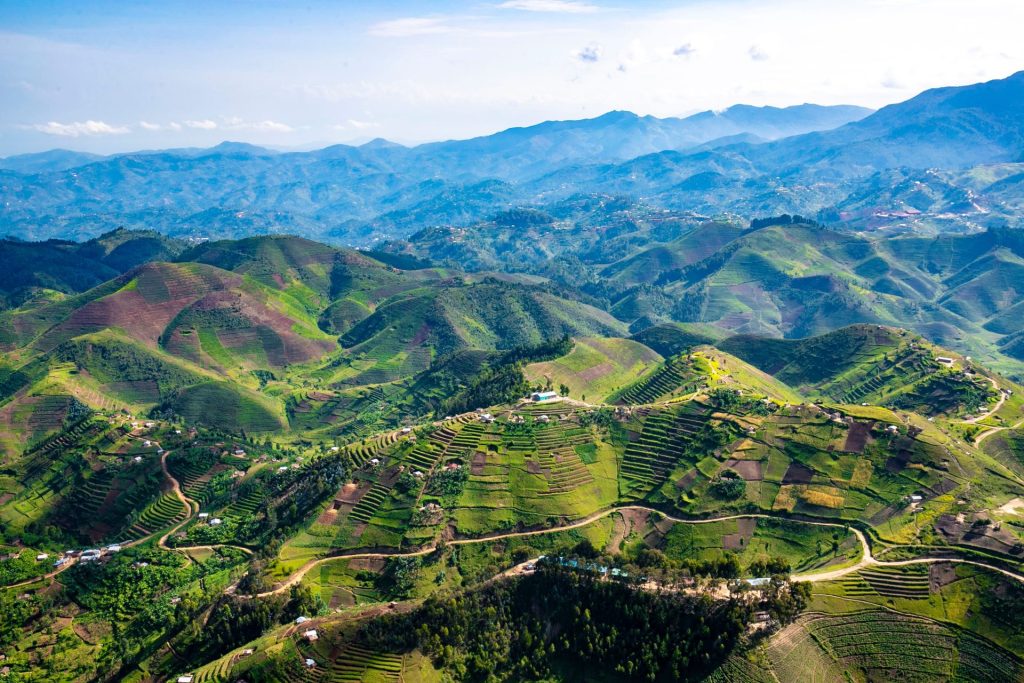
Rwanda is known as the Land of a Thousand Hills, and it is across these steep slopes that coffee is grown at elevations well above 1,500 metres. In the northern highlands of Rwanda, in Gakenke District, the Abakundakawa Cooperative has been growing coffee for more than two decades. The name Abakundakawa means “those who love coffee” in Kinyarwanda. Abakundakawa began in 1999 when 100 coffee growers came together to form an association.

Rwanda Anaerobic Coffee Beans Fresh

For smallholder farmers, working collectively offered several advantages. Instead of each producer trying to process and sell relatively small amounts of coffee independently, farmers could combine their harvests, share equipment and work together to reach larger buyers. The organisation formally registered in 2004 and has continued to grow since then. Today, more than 6,000 farmers are connected to Abakundakawa.

Hingakawa: Women leading the way 

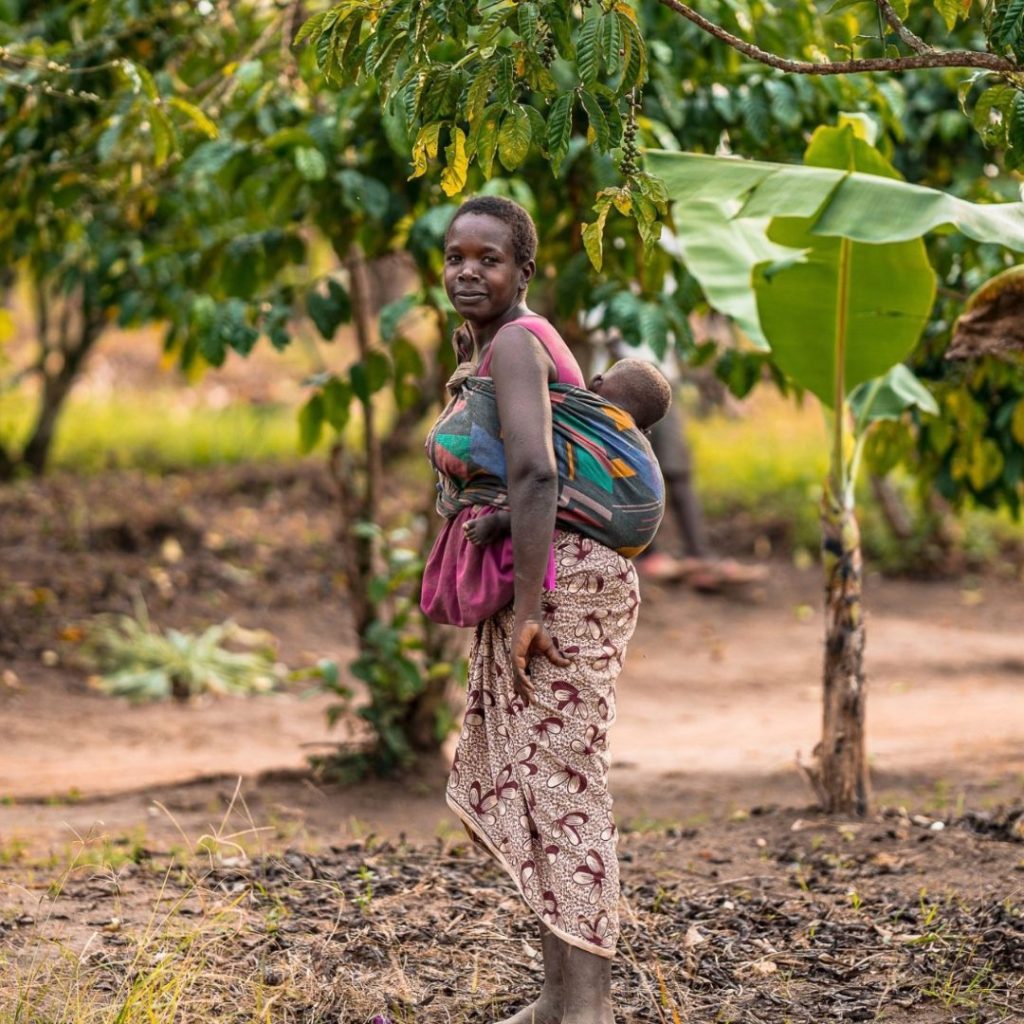
Within the Abakundakawa cooperative is a group of 916 women working together through an initiative called Hingakawa, meaning “let’s grow coffee”. Launched by the cooperative in 2002, the initiative was created to give women greater opportunities within Rwanda’s coffee industry, while promoting gender equality and helping to reduce poverty within the surrounding community.

Hingakawa grew out of the years following the genocide in Rwanda, when many women in local communities had lost their husbands and were rebuilding their lives and livelihoods. Coffee provided a way for women to come together, work alongside one another and begin rebuilding relationships within their communities. 

From the beginning, the women wanted to play a greater role in the production and sale of their coffee. Working collectively has given members more opportunities to share farming knowledge, take part in decision-making and build their own sources of income.


The impact of Hingakawa also extends beyond the farm. Income generated through coffee sales is reinvested into social and economic initiatives that support the women, their families and the wider community,

Why does it taste so good? 

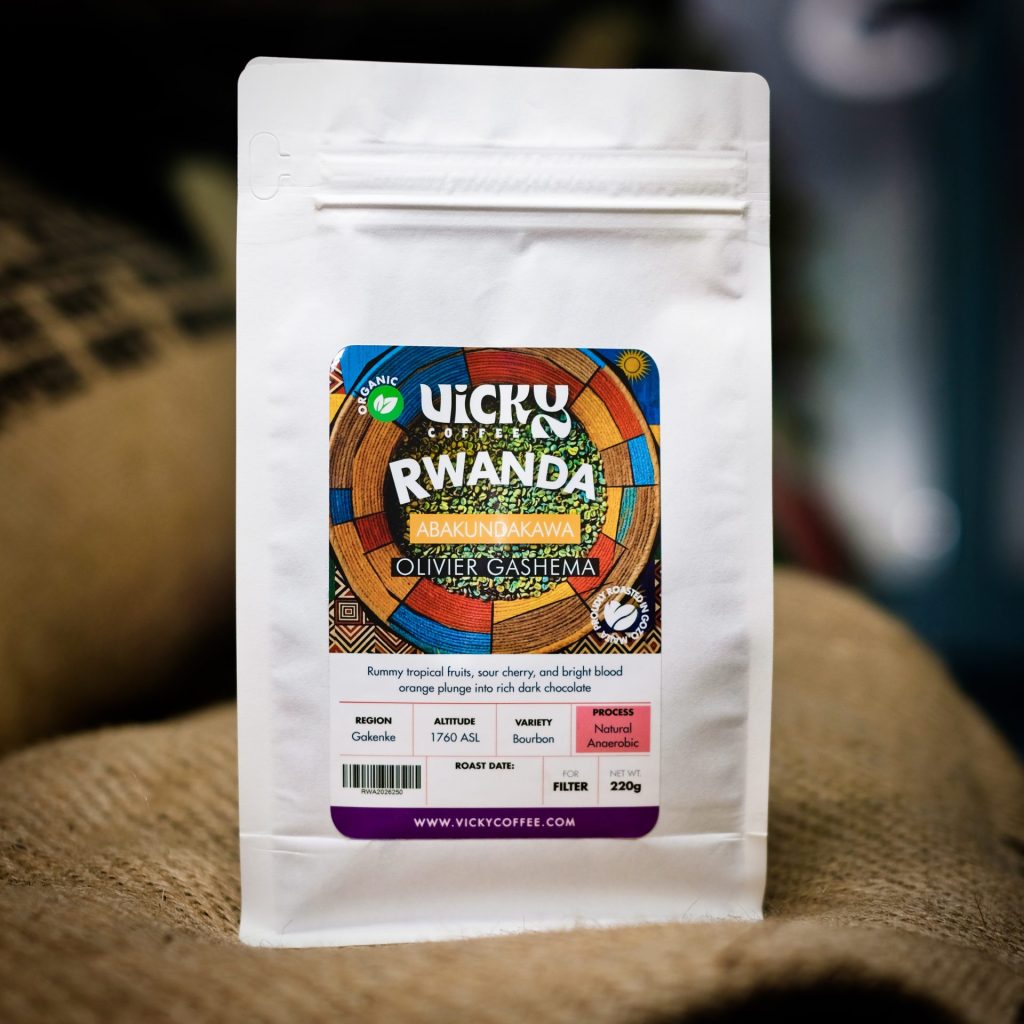
The coffee farms of the Gakenke District stretch across rolling and often steep terrain. This particular lot is grown at around 1,760 metres above sea level. At higher elevations, cooler temperatures can slow the ripening of coffee cherries, giving the fruit more time to develop sugars and acids before harvest.

The coffee itself is Bourbon, a variety widely grown in Rwanda and across East Africa. Many farmers tend relatively small areas of land, meaning much of the work is carried out carefully by hand. 

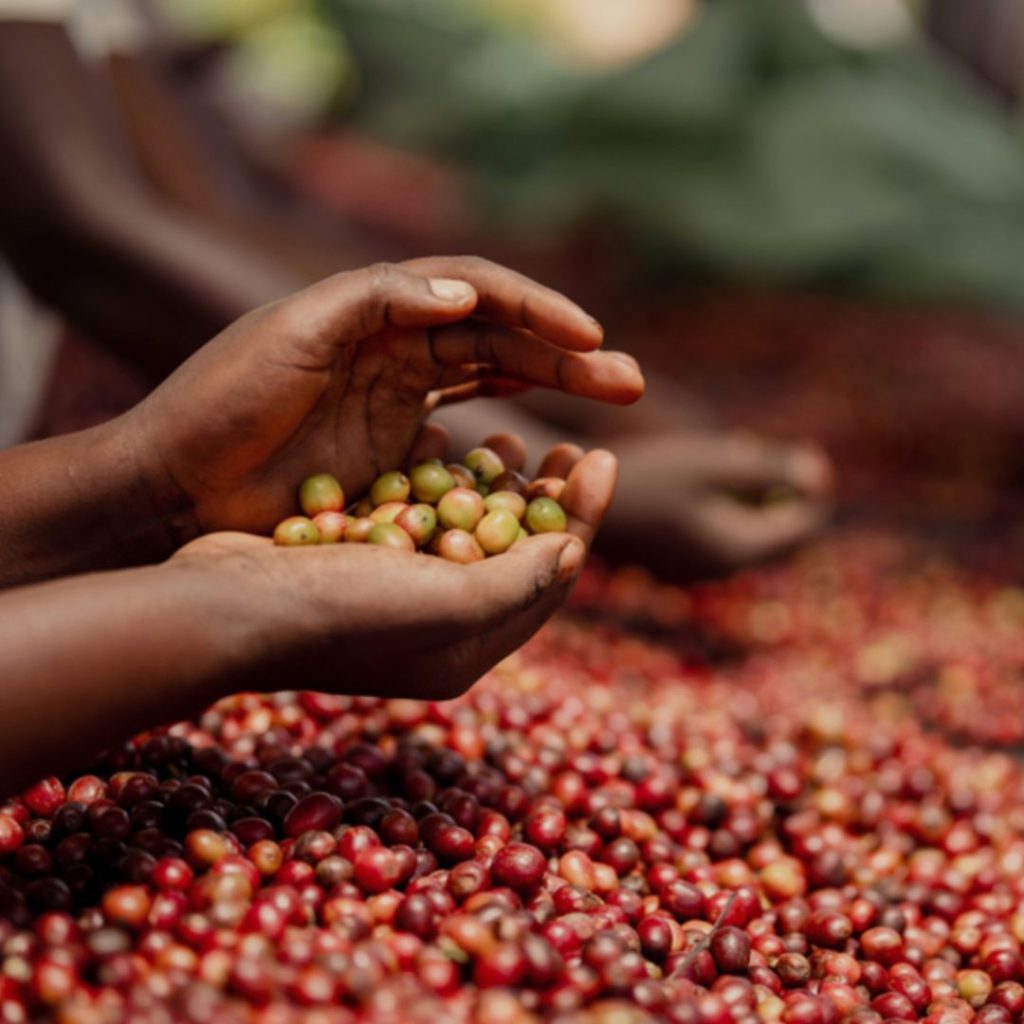
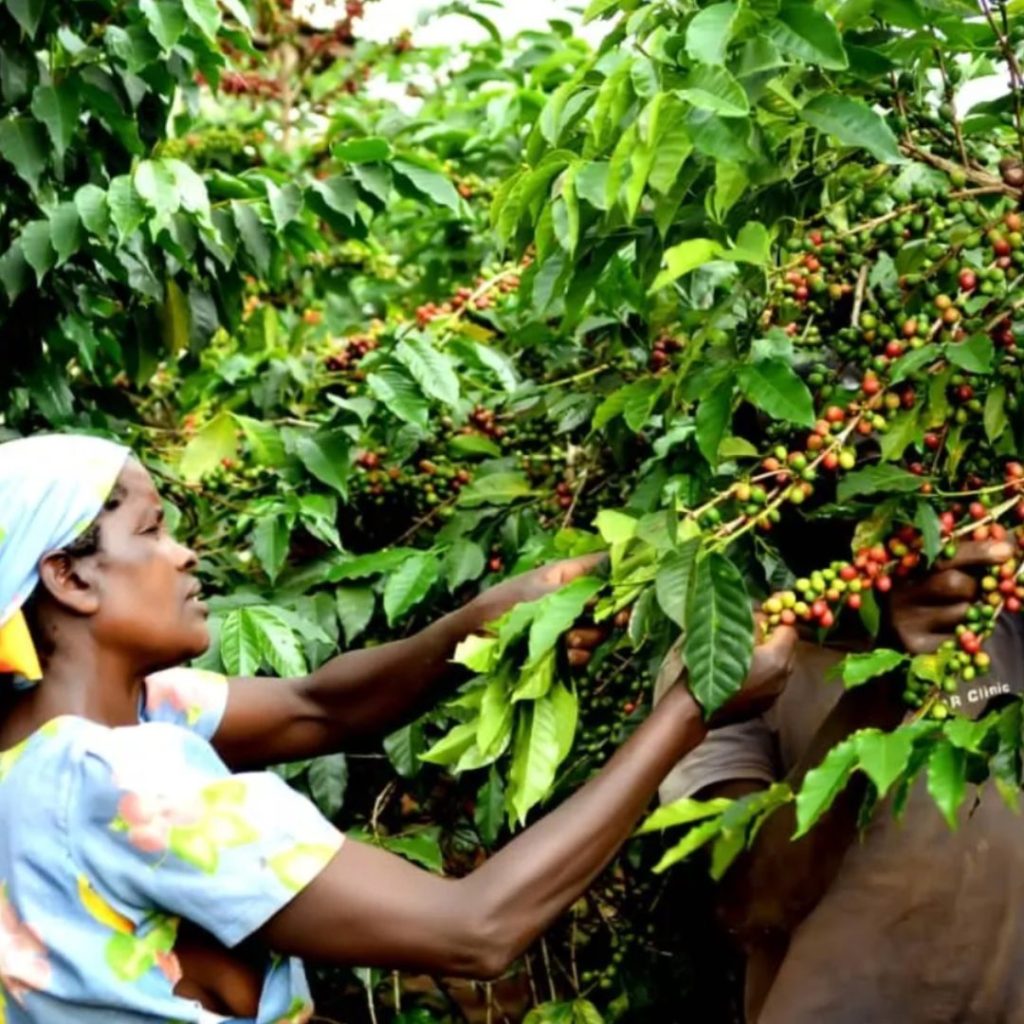
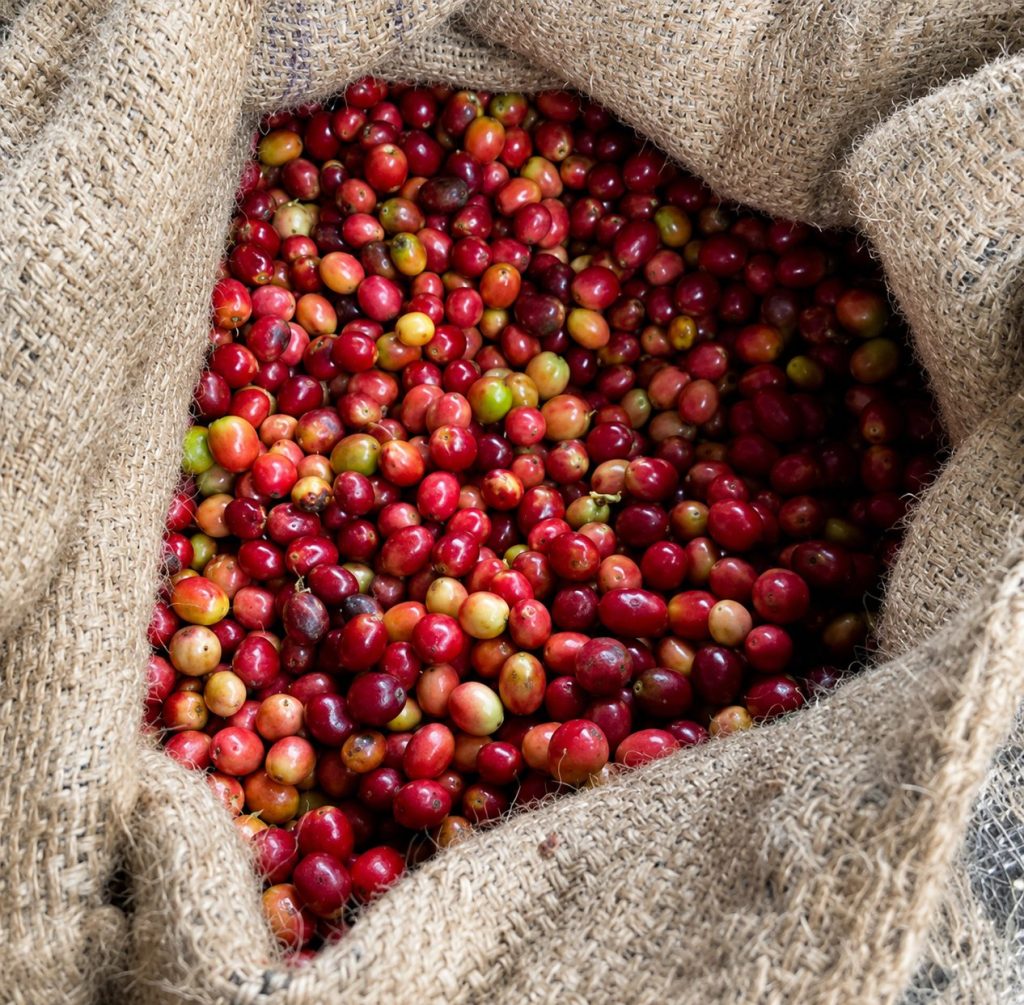
During Rwanda’s main coffee harvest, generally running from February to June, ripe cherries are selectively picked rather than stripping all the fruit from the branch at once. This attention at harvest matters. Coffee cherries do not ripen at exactly the same time, and picking them at the right stage helps create greater sweetness and consistency in the finished cup. 

Underripe or overripe cherries, on the other hand, can introduce unwanted flavours. Together, the altitude, climate, Bourbon variety and careful harvesting create the conditions for the bright, fruit-led character found in the finished coffee. 

Coffee Beans Natural Process OCoffee Beans Natural Process Organic Maltarganic Malta

From Cherry to Cup

For this coffee, Abakundakawa uses a natural anaerobic process. The ripe cherries are fermented whole in a controlled, low-oxygen environment before being dried with the fruit still around the seed. Keeping the coffee inside the cherry during fermentation and drying allows more of the fruit’s sugars and flavours to influence the final cup, while the low-oxygen environment shapes the way fermentation develops.

Time, temperature and moisture must be carefully controlled throughout the process. Combined with the high altitude and Bourbon variety, this creates a coffee with plenty of sweetness, fruit character and clarity.

The finished coffee has been awarded a cupping score of 86 points, placing it firmly within speciality coffee. In the cup, expect tropical fruit, sour cherry and blood orange, followed by deeper notes of dark chocolate and a gentle rum-like sweetness.

Explore our new Rwanda Anaerobic as a one-time purchase or through one of our subscription packages, delivered straight to your doorstep monthly or every two weeks.

Rwanda Coffee Natural Organic Anaerobic Pour over