

No products in the cart.
Brewed Slow, Sipped Fast: The Science of Cold Brew!
Cold brew has earned its place as one of the most refreshing ways to enjoy speciality coffee in the summer, yet it is still widely misunderstood. Some people assume it is just hot coffee poured over ice. Others think it must be extremely strong, very dark, or loaded with caffeine. In reality, cold brew is a brewing method that requires a little extra time and patience.

What Is Cold Brew Coffee and How Can You Make It?
Cold brew is coffee made by steeping coarse ground coffee in room-temperature water for an extended time, usually between 12 and 24 hours. That long contact time allows water to gradually extract soluble flavour compounds from the coffee without the use of heat. Because the extraction temperature is lower from start to finish, the flavour develops in a different way.
A coarse grind is normally preferred. Fine coffee particles extract too quickly and can create bitterness or sediment. Larger grounds allow water to move more evenly through the coffee during the long steeping time, producing a cleaner, smoother result.
For easy brewing at home, we recommend the Hario Cold Brew Maker – a simple way to create a smooth, refreshing cold brew with minimal effort and maximum flavour.
After steeping, the mixture is filtered to remove the grounds. Once filtered, cold brew can be stored in the fridge for several days, making it practical for cafés, home brewing and busy coffee lovers.
We like to serve ours over full of ice with a slice of lime. After a couple of minutes in the glass, the flavours really start to open up. But be warned: cold brew is known for packing a little extra caffeine kick.
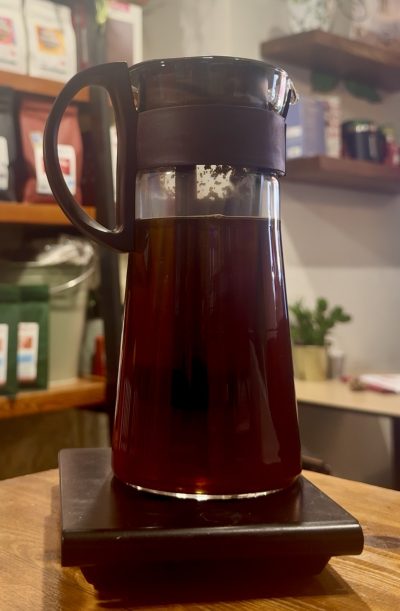
Why Does Cold Brew Taste Naturally Sweeter?
No sugar is required for cold brew to taste sweet. Cold brew often tastes sweeter because cooler water extracts coffee differently from hot water. Heat is powerful. It pulls flavour quickly, including bright acids, aromatic oils and bitter compounds. Cold water works more slowly and selectively. This slower extraction tends to highlight rounder flavour notes. Chocolate, caramel, brown sugar, nuts, ripe fruit and gentle spice can become more noticeable. Bitterness is usually reduced, so the coffee’s natural sweetness feels clearer on the palate.
Roasting affects sweetness too. A carefully developed medium roast can bring out caramelised sugars and body without overwhelming the coffee’s origin character. Lighter roasts may taste more delicate and fruit-forward, while darker roasts can lean towards cocoa, toasted nuts and molasses.
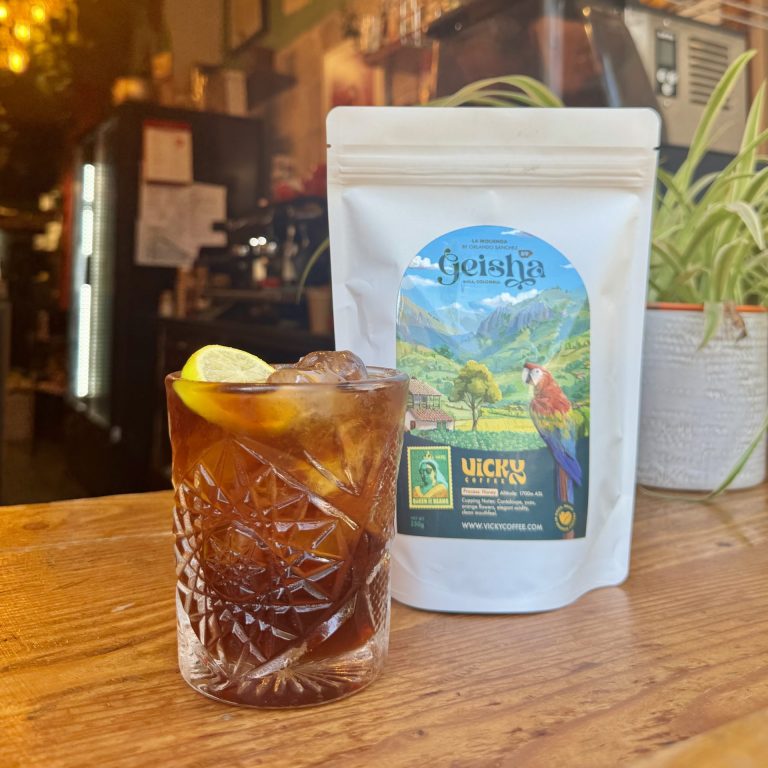
Processing method also plays a role. Naturally processed coffees often bring berry, tropical fruit or wine-like sweetness. Honey processed beans, such as our Colombian Geisha, can add syrupy texture and soft fruit notes. Washed coffees may produce a cleaner, more refreshing cold brew with citrus, floral or cocoa tones depending on origin and roast.
Why Is Acidity Usually Lower in Cold Brew?
The word acidity in coffee can refer to flavour brightness as well as measurable chemical acidity. Both are influenced by brewing temperature.
Hot water extracts acids more efficiently. These acids can create lively flavours such as citrus, apple, berry or wine-like brightness. In many speciality coffees, acidity is desirable because it adds structure and freshness.
Cold brewing extracts fewer of the compounds that create sharpness. That does not mean the coffee becomes bland. Instead, the balance shifts. The cup feels smoother, softer and rounder, with sweetness and body moving forward.
This lower perceived acidity makes cold brew attractive to people who find some hot coffees too sharp. It can also work well with milk because the softer flavour profile blends smoothly rather than clashing.
How Much Coffee Should You Use for Cold Brew?
A simple starting point is to use 1:10 coarsely ground coffee with cold filtered water and let it brew slowly over time. The ratio can change depending on the coffee, how strong you like it, and how you plan to serve it.
Cold brew is not an exact science, so we recommend using these ratios as a starting point, then playing around with the coffee, water and brew time until you find the strength and flavour you enjoy most.
Our Favourite Speciality Coffees for Cold Brew
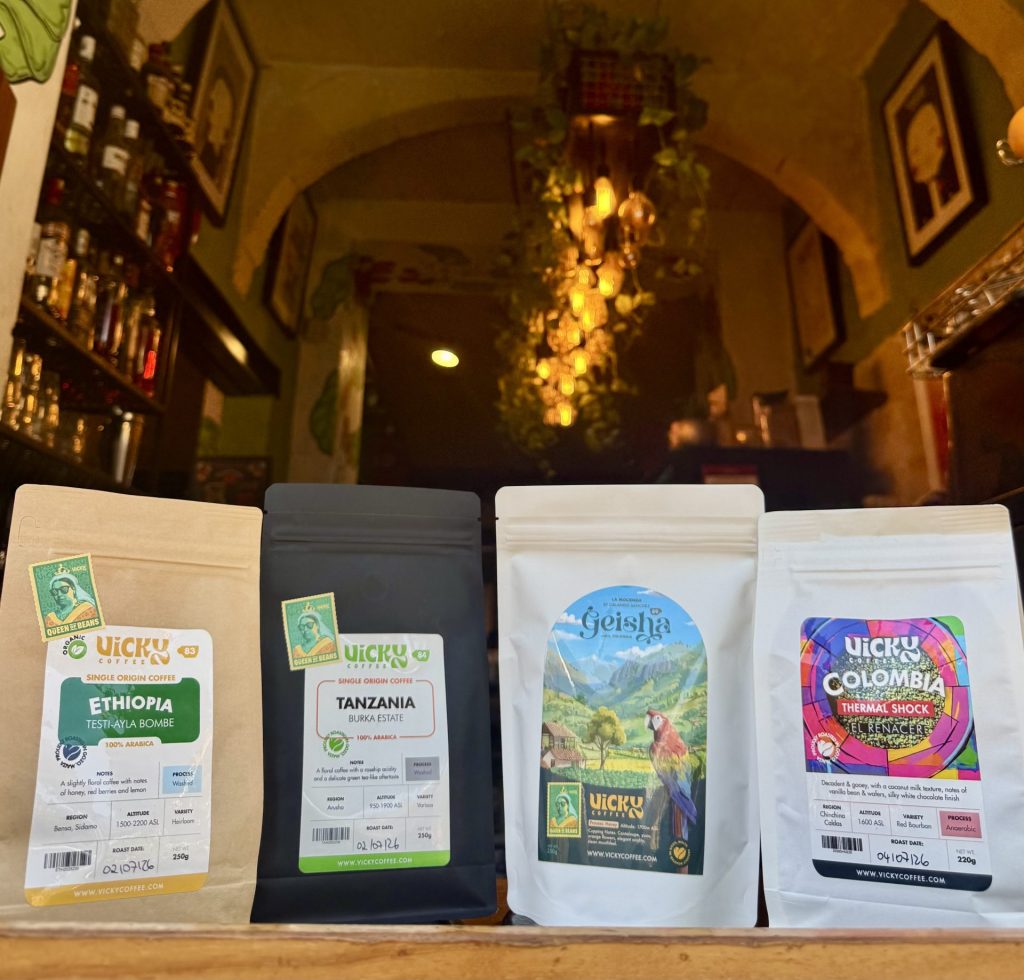
The best beans for cold brew depend on the flavour experience you are looking for. There is no single correct origin, process or roast level but here is a few of our favourites we are using right now.
Recipe: 1:13
Notes: Floral character, rose hip acidity and a delicate green tea-like finish.
Recipe: 1:10
Notes: Slightly floral, with notes of honey, red berries and lemon.
Recipe: 1:8
Notes: Decadent and gooey, with a coconut milk texture, notes of vanilla bean and Kit-Kat wafers, and a silky white chocolate finish.
Recipe: 1:12.5
Notes: Delicate, aromatic and floral, with bright fruit notes and a clean finish.
Whether you prefer something fruity, silky, chocolatey or bright, cold brew is a brilliant way to discover a new side of speciality coffee. Ready to find your perfect cold brew match? Explore our recommended Vicky Coffee beans and start brewing something delicious.