Las Hortensias: Where the Mountains Taste Like Mandarin

History of Coffee Farming in Mexico

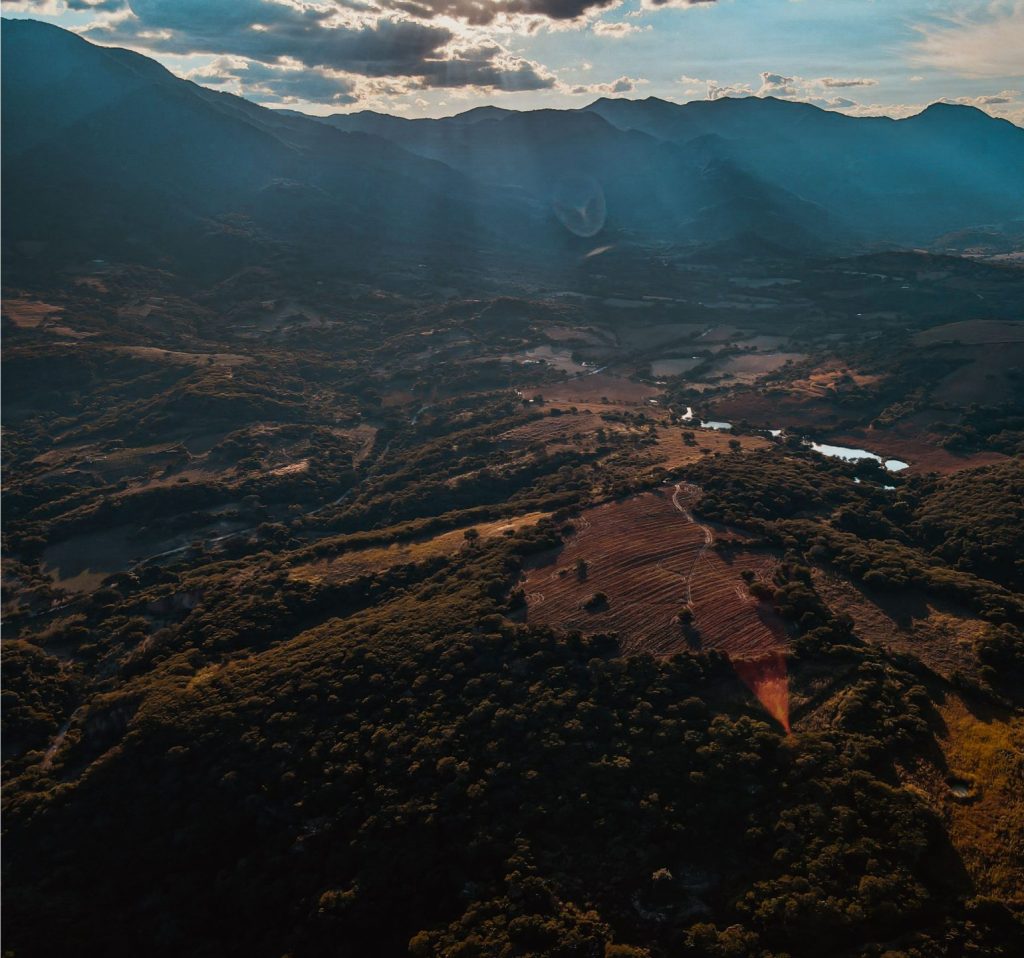
Coffee has been part of Mexico’s rural landscape since the late eighteenth century, when cultivation began spreading through areas with warm climates, reliable rainfall and fertile soil. Production gradually became concentrated in the mountainous south, where cooler temperatures created favourable conditions for Arabica coffee.

The structure of the industry changed significantly following the Mexican Revolution. During the 1920s, sections of large private estates were redistributed among rural and indigenous communities, helping establish the small-scale farming model still found across many producing regions today.

Mexican Coffee Beans - Malta Roasted in Gozo

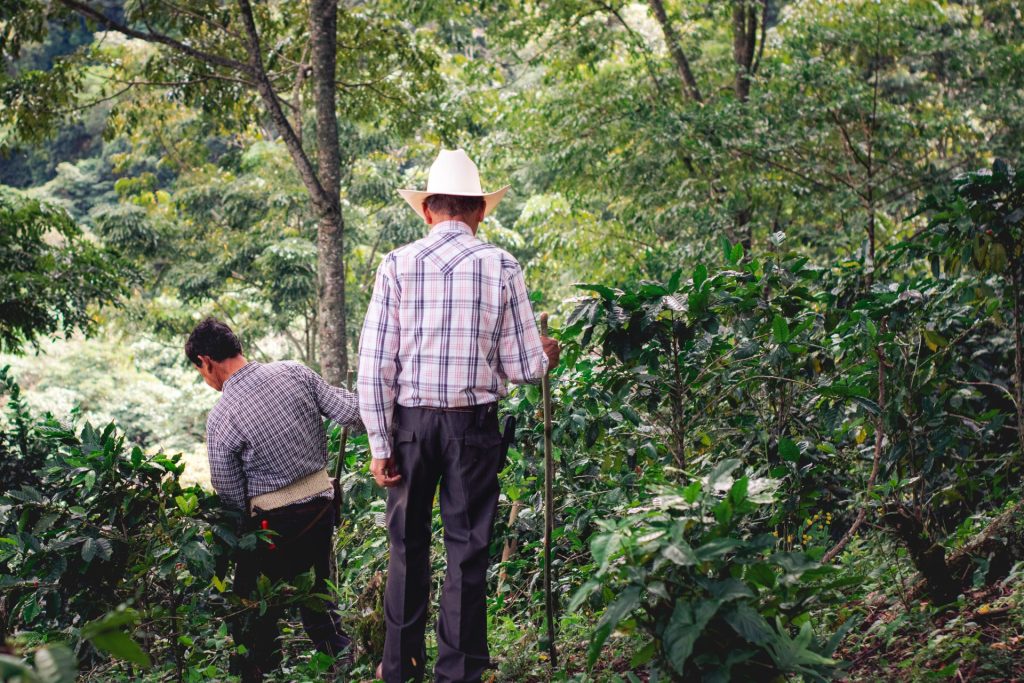
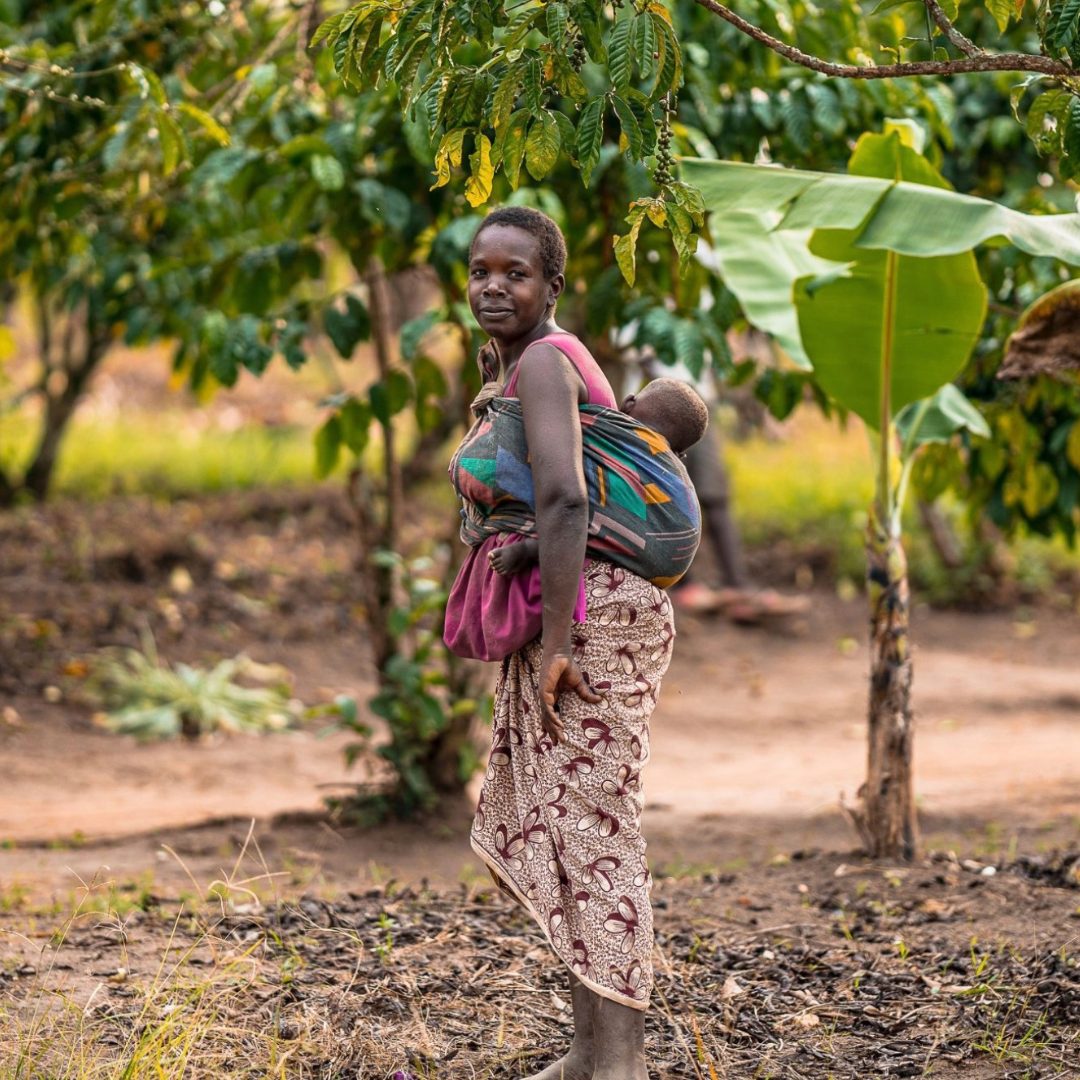
Today, much of Mexico’s coffee is now grown by families working modest plots rather than large plantations. This model allows producers to closely manage harvesting and plant care, but limited access to equipment, finance and international buyers can create challenges. Cooperatives help address these barriers by allowing farmers to combine harvests, share processing facilities and negotiate stronger prices. Many also provide training, support quality control and create opportunities for investment in farms, employment and environmental protection.

Today, Mexico is gaining greater recognition as a speciality coffee origin. Its high elevations, volcanic soils and varied microclimates provide the foundations for distinctive coffees, with La Hortensias offering an inviting example of what the country can produce.


Why Chiapas Leads Mexico’s Coffee Production
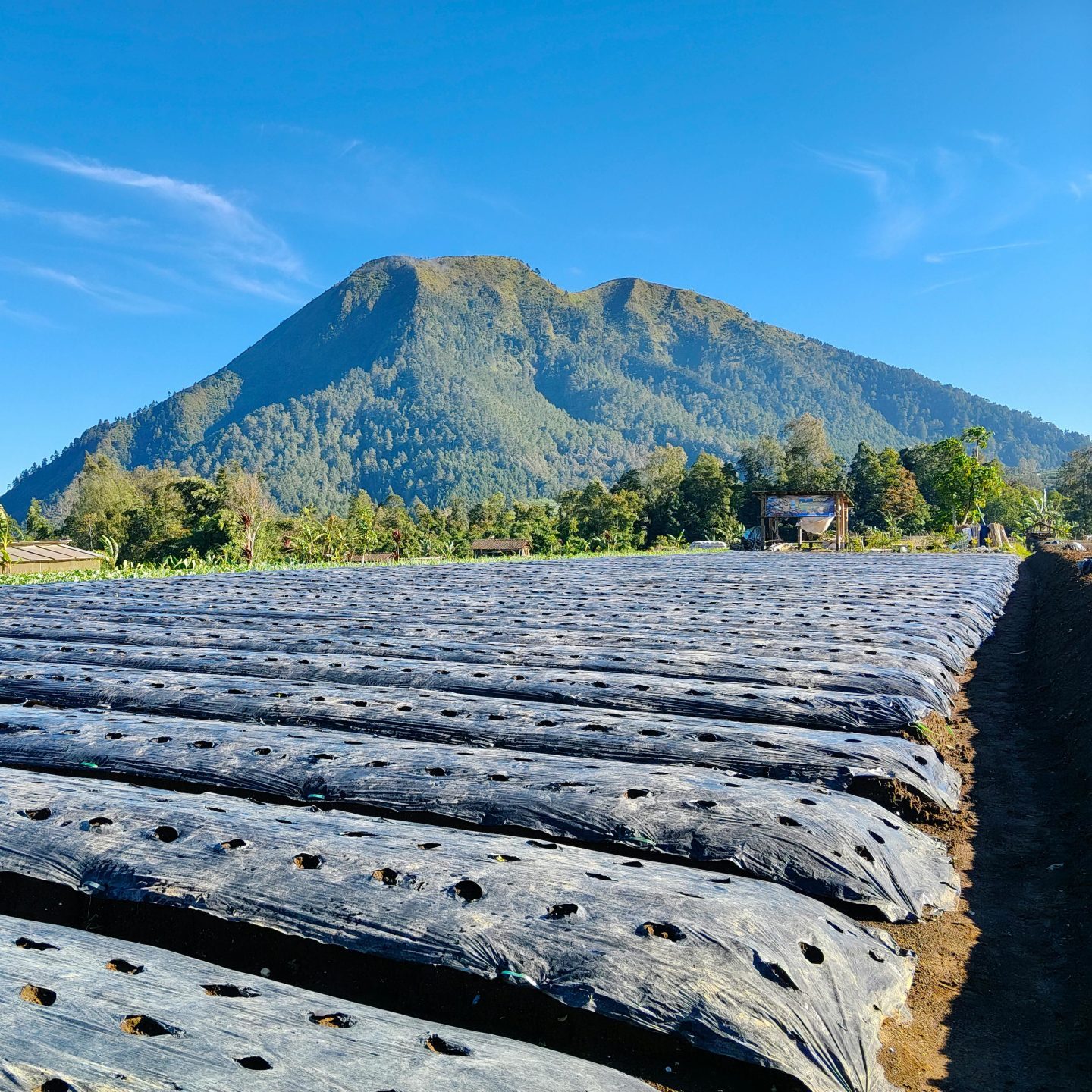
Located in southern Mexico near the Guatemalan border, Chiapas produces around 40% of the country’s coffee. Its mountainous terrain and generous rainfall develop healthy coffee plants across a wide range of elevations. At higher altitudes, cooler temperatures slow the ripening of the coffee cherries. This extended development can produce denser seeds with greater sugar concentration, contributing to sweetness, structure and clarity after roasting.

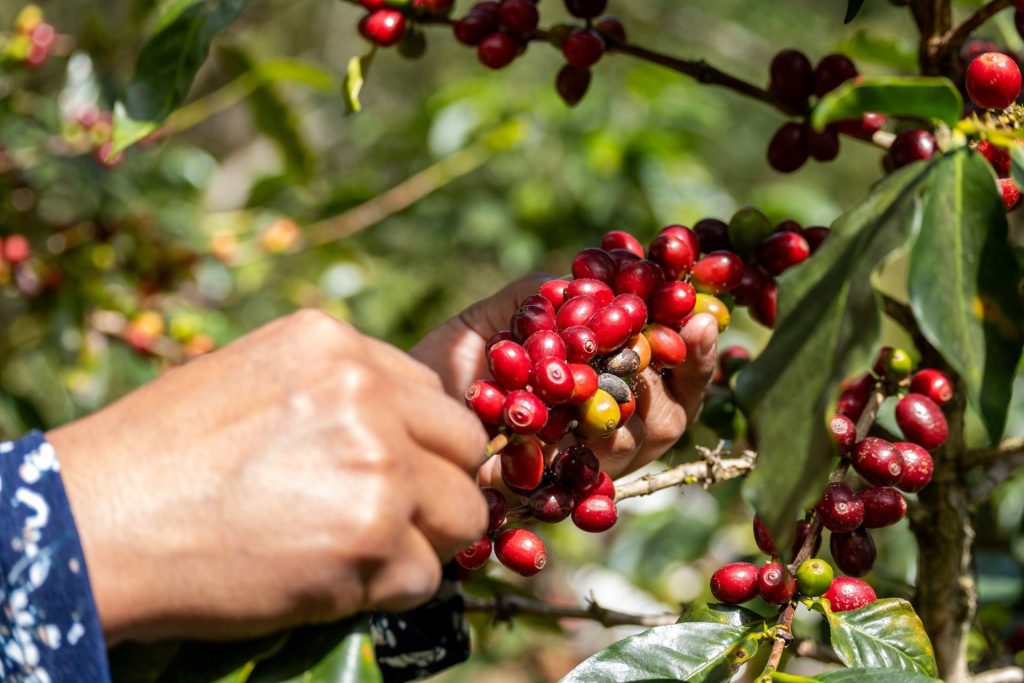
However elevation alone does not guarantee quality. Careful harvesting, suitable processing and fertile volcanic soils support remain essential. This connection between the quality of the cup and the health of the land is particularly relevant to Las Hortensias, which holds recognised organic certification.

SCA High Score Coffee Malta Speciality Roasted Gozo
Best Arabica Coffee Malta Gozo Single Origin Hand Roasted

What is organic coffee? 

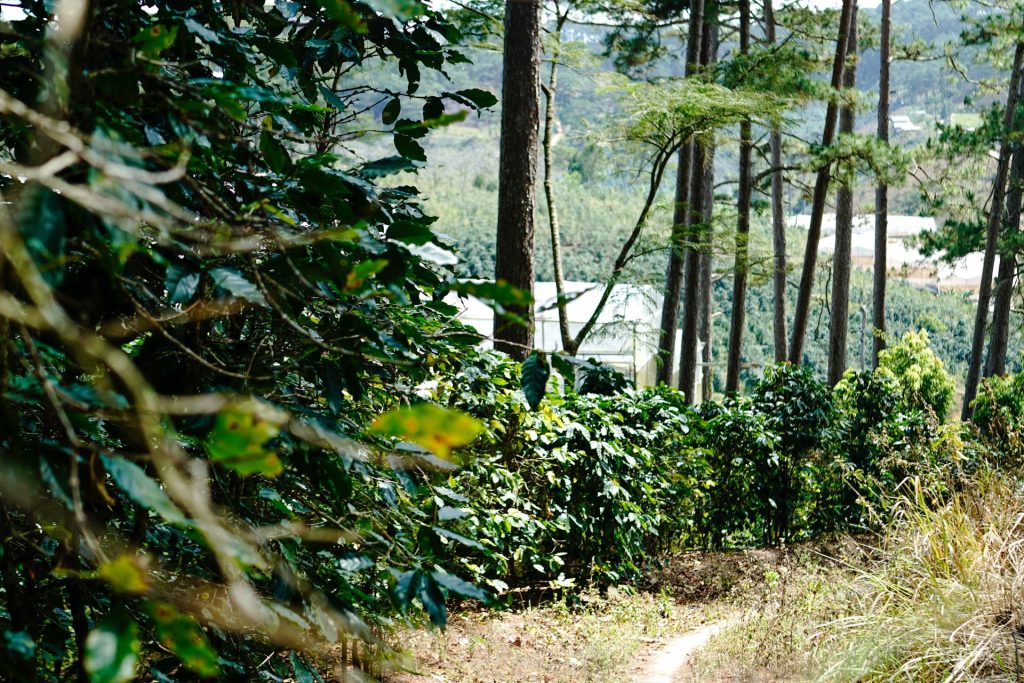
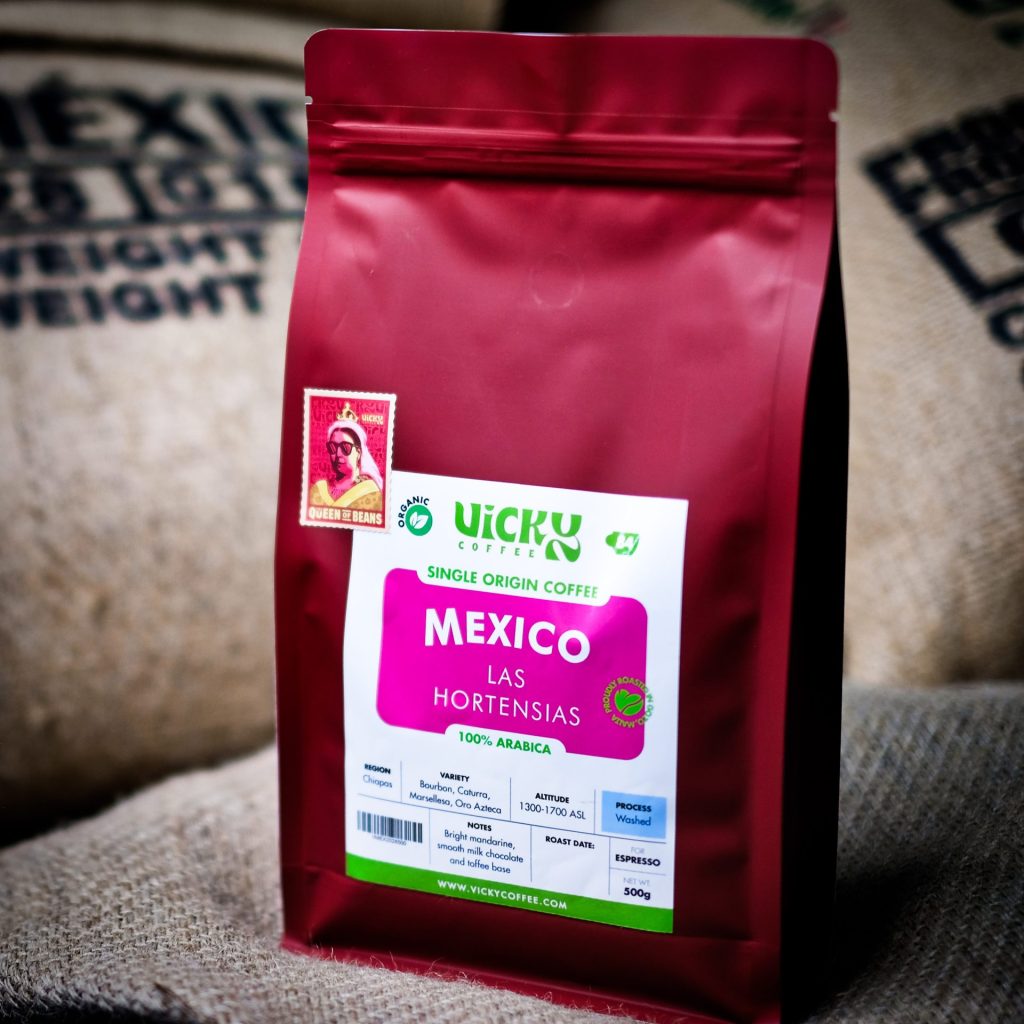
Las Hortensias is certified organic coffee and holds both Organic EU and Organic NOP certification. Meaning it has been grown, processed and handled according to recognised organic production standards. At the heart of organic coffee farming is healthy, living soil. Rather than relying on synthetic fertilisers, herbicides and pesticides, farmers use methods that help protect the soil’s natural structure, fertility and biodiversity. Compost, organic matter, shade trees and natural pest-management techniques can all play a role in returning nutrients to the land, retaining moisture and creating a healthier environment for the coffee plants to grow.

Best Coffee Malta Mexican

Understanding Las Hortensias SHG EP Coffee Grade
Las Hortensias carries the grade SHG EP, a designation containing two separate quality references. SHG means Strictly High Grown. In this case, cultivation takes place between approximately 1,300 and 1,700 metres above sea level. Higher locations usually experience cooler nights and slower ripening periods. Extended development can produce firm, dense beans that respond well to careful roasting. EP stands for European Preparation. Before export, the green coffee undergoes detailed sorting designed to remove defective, damaged or unsuitable beans. This preparation stage improves consistency within each batch. When fewer physical defects enter the roaster, heat can be applied more evenly, supporting a cleaner finished flavour.


The Sweet Spot Between Chocolate and Mandarins 
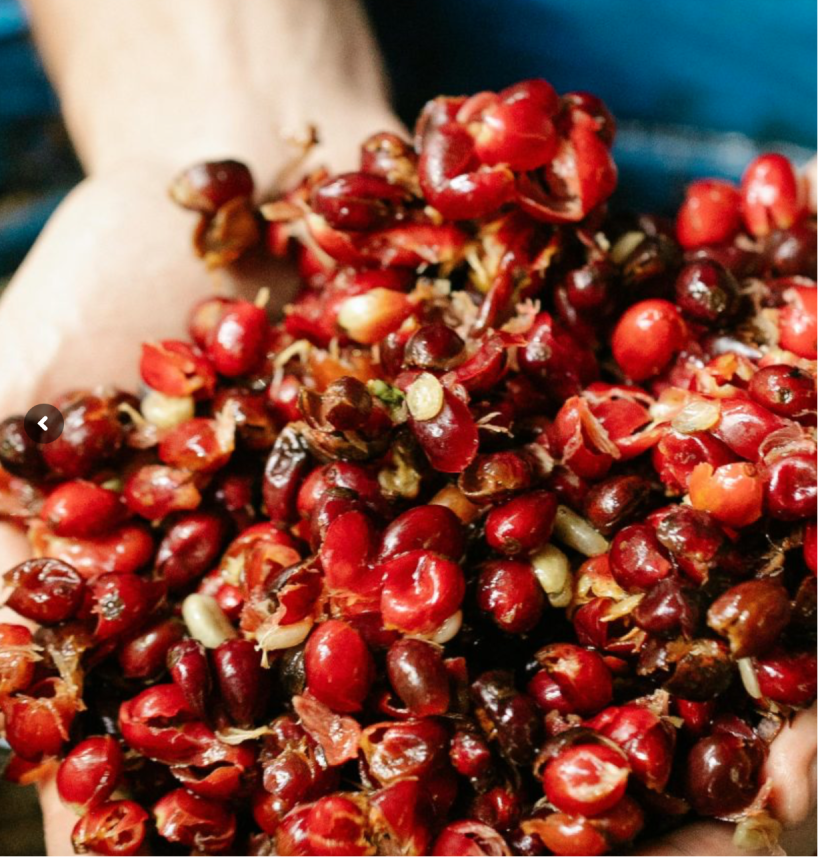
After harvesting, Las Hortensias undergoes washed processing. The outer skin and fruit are removed before the coffee seeds are fermented, washed and dried to a stable moisture level.

Compared with processes that dry the whole cherry intact, washed preparation often produces a cleaner and more clearly defined flavour profile. In Las Hortensias, it helps the lively mandarin note stand out while preserving the smooth sweetness of milk chocolate and toffee.

With a cupping score of 84 points, Las Hortensias sits comfortably within the speciality coffee category. Its familiar chocolate flavours make it approachable for those moving away from traditional espresso blends, while the citrus character adds freshness and a clearer expression of origin.

Washed Process Coffee From Mexico Malta
Organic Arabica Coffee Beans Roasted Malta Gozo

The result is a bright yet comforting coffee made for everyday enjoyment, connecting each cup to the highlands of Chiapas, its farming communities and Mexico’s growing speciality coffee culture.

Discover La Hortensias as a one-time purchase or through our subscription packages, delivered straight to your doorstep every month or bi-weekly.