No products in the cart.
The Bean That Caught the Breeze: India Malabar
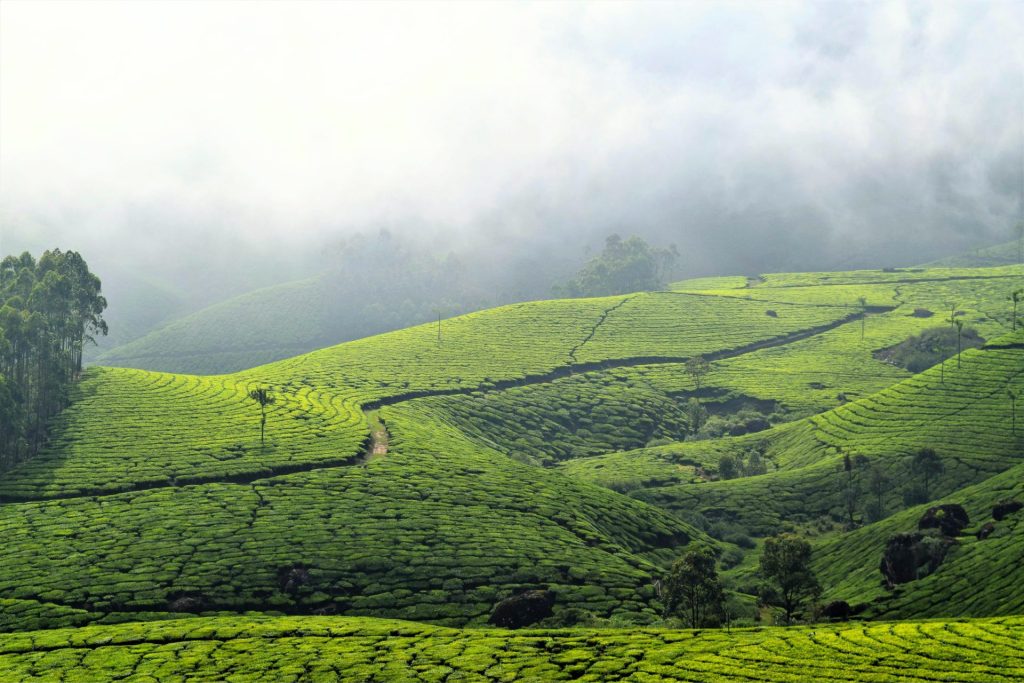
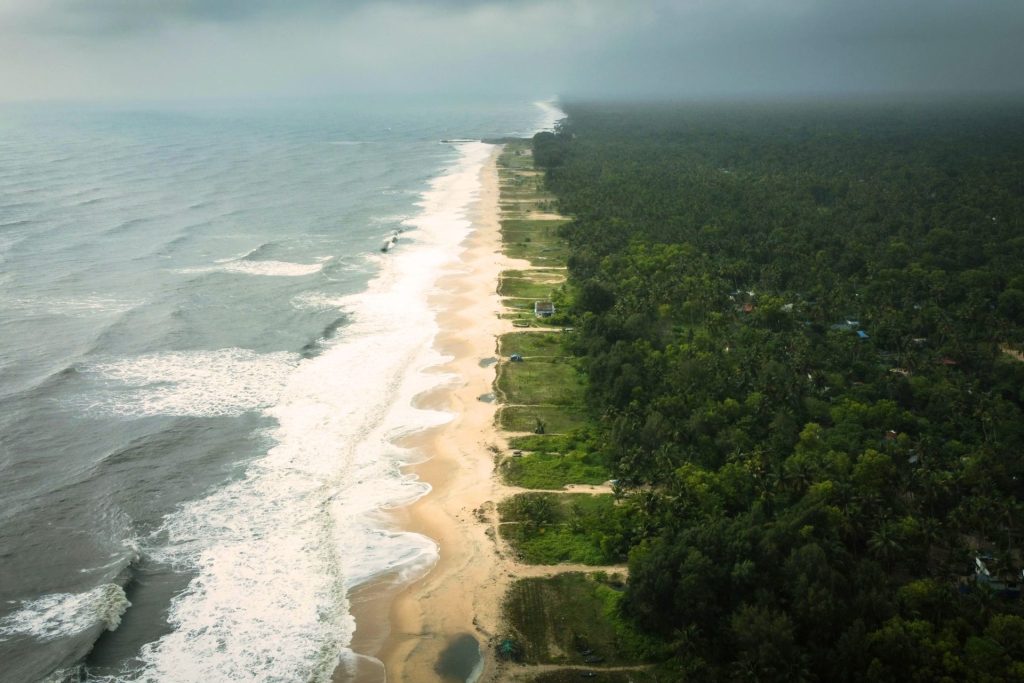
Along the humid southwestern coastline of India, the Malabar Coast has shaped trade, agriculture, and coffee production for centuries. Warm air drifting inland from the Arabian Sea combines with heavy seasonal rainfall to create one of the world’s most distinctive coffee-growing environments.
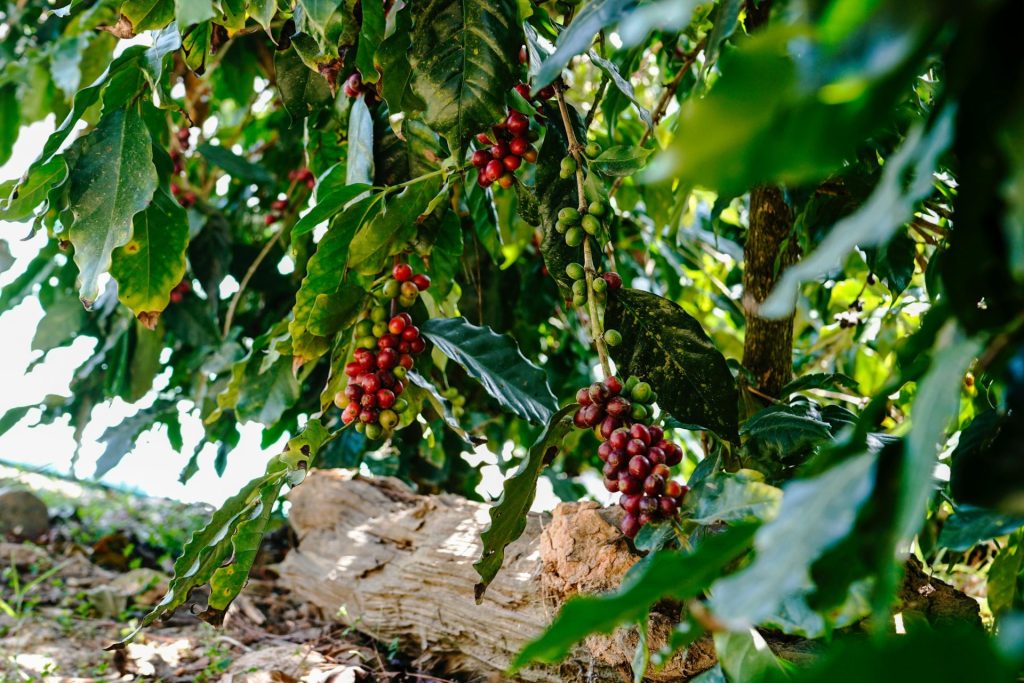
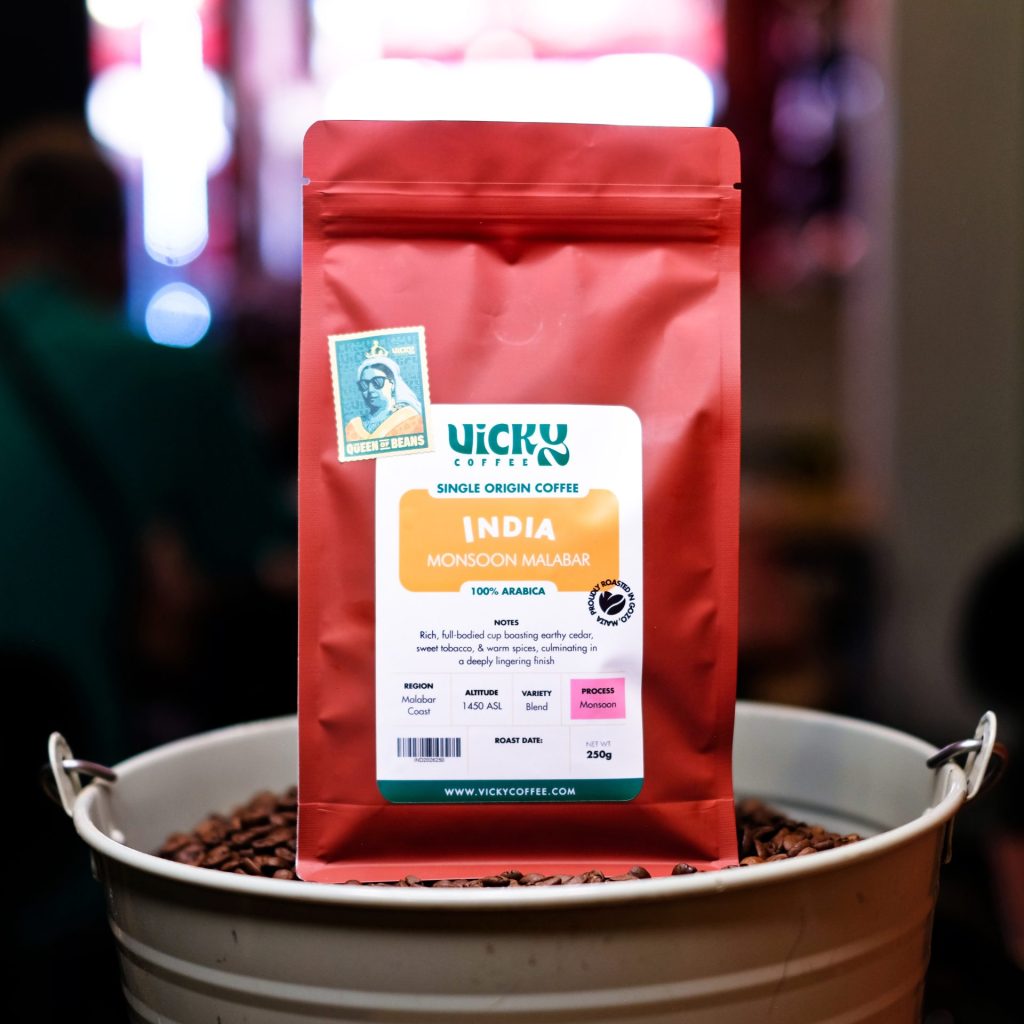
Unlike many speciality origins defined primarily by elevation or varietal, Monsoon Malabar owes much of its identity to the climate. Inland farms located around 1,450 metres above sea level cultivate Arabica coffee that later undergoes a transformation unlike any other processing method used in the industry today.
The result is a rich, warming cup layered with spice, earthy cedar, and sweet tobacco notes, creating a profile that has made Monsoon Malabar instantly recognisable among coffee drinkers worldwide. Yet the story behind those flavours began long before modern speciality roasting existed.
The Maritime Origins of Monsooned Coffee
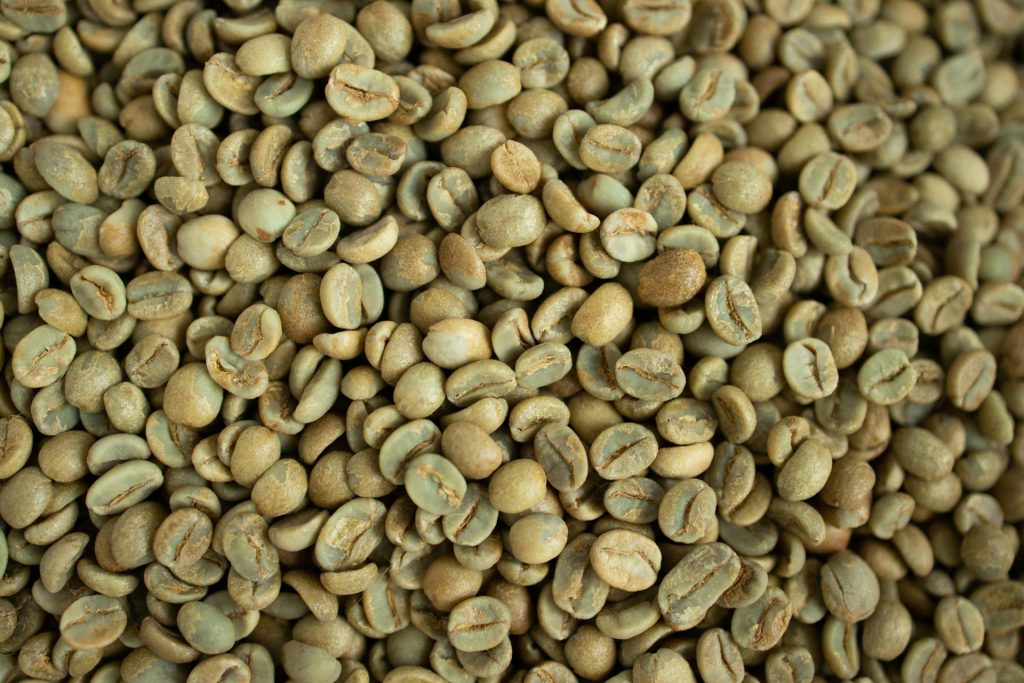
Centuries ago, coffee exported from India travelled to Europe aboard wooden sailing ships navigating around the Cape of Good Hope. Those voyages often lasted close to six months. During the voyage the green coffee was exposed to damp sea air, fluctuating temperatures, and powerful winds. By the time shipments reached European ports, the beans had changed completely. Colour faded from green to pale gold, structure became larger and softer, and the flavour profile developed deeper body with noticeably lower acidity.
When steamships later shortened export times, the transformation stopped occurring naturally. Indian producers began recreating those environmental conditions intentionally on land. From that adaptation, the monsooning process was formally developed
Where Coffee Meets the Modern Monsoon
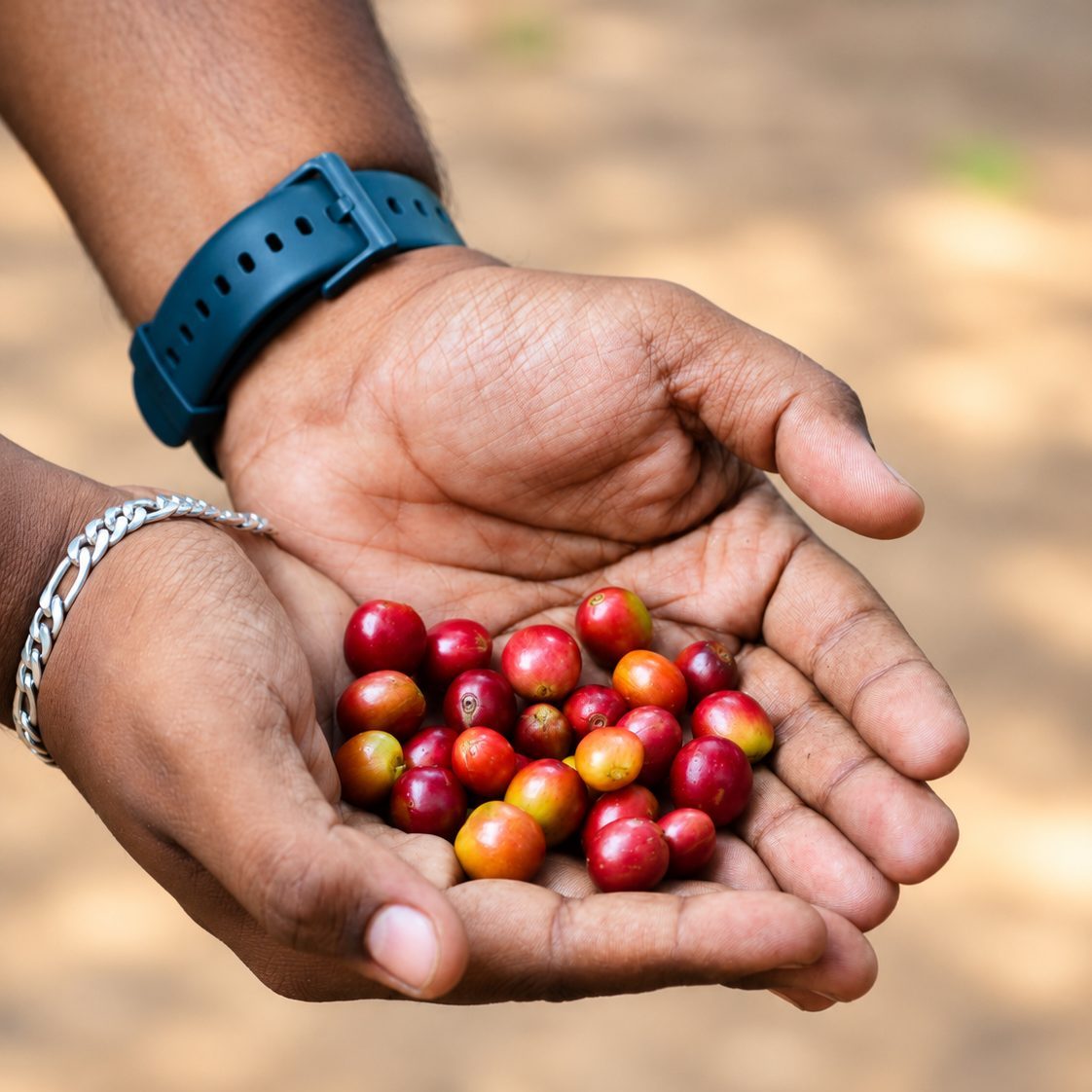
Modern monsooning recreates the environmental exposure once experienced during sea transport, while maintaining greater consistency and quality control. After harvest, ripe Arabica cherries are sun-dried, hulled, and graded before AA lots are selected for size and uniformity. These beans are then moved into open-sided warehouses designed to capture the humid monsoon airflow from the Arabian Sea.
Between June and September, moisture-heavy winds sweep inland across the Malabar region. Over 12 to 16 weeks, the coffee absorbs this humid coastal air as workers regularly turn the beans to ensure even exposure. Gradually, they expand in size, soften in colour, and develop a less dense structure, resulting in reduced acidity and a fuller, rounder body.
Unlike highly experimental fermentation methods often associated with modern speciality coffee, monsooning relies almost entirely on environmental interaction driven by climate, airflow, and time.
Once the process reaches completion, the coffee undergoes careful re-sorting and preparation before export.
India later recognised the importance of this production style by granting Monsoon Malabar protection under the Geographical Indications of Goods Act, reinforcing the coffee’s close connection to the Malabar coast and its traditional processing methods.
A bold and comforting cup
Monsoon Malabar offers a flavour experience immediately recognisable to many coffee drinkers. Rather than bright fruit acidity or delicate floral notes, this coffee focuses on depth, texture, and warmth.
The cup is rich and full-bodied, with earthy cedar notes layered with sweet tobacco and warm spice. Acidity is kept low, letting the heavier mouthfeel stand out. The result is a smooth, grounding texture with a gently lingering, softly spiced finish.
A coffee shaped not just by land, but by wind, sea, and time itself.
At Vicky Coffee, Monsoon Malabar is roasted for espresso, moka pot and traditional Turkish coffee.
Try our Monsoon Malanbar Specialty Coffee from India as one time purchase or with our subscription packages that arrive straight at your doorstep every month or bi-weekly.